

Keeping clean water in front of your animals is the single most important job on any livestock operation. A dry trough for even a few hours can cut milk production, slow weight gain, and send stress levels through the roof. That is exactly why finding the best transfer pumps for livestock water matters more than most farmers realize. The right pump saves you time every single day and keeps water flowing even when you are dealing with a frozen line, a remote pasture tank, or a pond that sits below grade.
A transfer pump is a device built to move large volumes of water from one spot to another as fast as possible. On a livestock farm, that usually means pulling water from a well, dam, pond, creek, or storage tote and pushing it into a stock tank, trough, or nurse trailer. Some models run on 115V wall power, others on 12V batteries or solar setups, and a few are fully cordless so you can work anywhere a truck or ATV can reach. We spent weeks comparing flow rates, head heights, priming behavior, and real-world durability across the options below.
This guide covers eight transfer pumps that our team tested and researched for livestock watering specifically, not generic household use. We looked at what matters on a working farm: how many gallons per minute the pump actually delivers, whether it can push water uphill to a remote tank, how loud it runs around animals, and whether it survives daily abuse. Whether you are filling a single trough or running water to multiple paddocks, one of these pumps will fit your setup and budget in 2026.
Table of Contents
Top 3 Picks for Livestock Water Transfer (October 2026)
These three pumps stood out from the pack for different reasons. The Superior Pump 91250 leads on raw popularity and proven reliability with over 26,000 reviews. The Wayne PC4 brings cast-iron durability and a 50-foot head height for demanding setups. And the TecHome transfer pump delivers serious value at under $50 for smaller operations.

Best Transfer Pumps for Livestock Water in 2026
Here is a side-by-side breakdown of all eight pumps we reviewed. Compare flow rate, power source, and key specs before diving into the individual sections below.
| Product | Specifications | Action |
|---|---|---|
| Superior Pump 91250 |
|
Check Latest Price |
 Wayne PC4 Cast Iron |
|
Check Latest Price |
 TecHome Transfer Pump |
|
Check Latest Price |
 FOTING 1HP Sump Pump |
|
Check Latest Price |
 FORDWALT Cordless Pump |
|
Check Latest Price |
 MAXZONE 12V Diaphragm |
|
Check Latest Price |
 SEAFLO 33 Series RV Pump |
|
Check Latest Price |
 SHURFLO 8000 Ag Pump |
|
Check Latest Price |
1. Superior Pump 91250 – The Crowd Favorite for Stock Tank Filling
Superior Pump 91250 1800GPH Thermoplastic Submersible Utility Pump with 10-Foot Cord, 1/4 HP
1/4 HP Submersible
1800 GPH max flow
25ft vertical lift
120V electric
6.8 lbs thermoplastic
Pros
- High flow rate of 1800 GPH handles big tanks fast
- Handles 1/8 inch solids without clogging
- Thermoplastic housing resists corrosion and rust
- 10-foot cord reaches most trough setups
- Factory tested for quality assurance
Cons
- Only 1 year limited warranty
- Requires a nearby 120V outlet
Our team has recommended the Superior Pump 91250 more than any other utility pump on the list, and the numbers explain why. With over 26,000 customer reviews and a 4.6-star average, this is one of the most battle-tested transfer pumps you can buy. I have seen homesteaders use it for everything from draining flooded barns to topping off 300-gallon stock tanks in minutes. At 1,800 gallons per hour, it moves water faster than most pumps twice its size.
The submersible design is what makes this pump so effective for livestock watering. You drop it directly into your water source, whether that is a pond, a large tank, or a shallow creek pool, and it starts pushing immediately. The 1/4 HP motor lifts water up to 25 feet vertically, which covers most pasture-to-tank scenarios. The thermoplastic construction means it will not rust even after sitting in muddy pond water all season.
On the technical side, the 91250 handles up to 1/8-inch solids, so small debris and algae bits will not kill the impeller. The removable suction screen pops off for quick cleaning, which I appreciate after a week of pumping murky pond water. The 10-foot power cord gives you decent reach, though you may need an extension cord for remote troughs. At just under 7 pounds, it is light enough to carry between paddocks in one hand.
The main downside is the 1-year warranty, which is shorter than some competitors. You also need a 120V outlet, so this pump works best near a barn, shed, or generator setup rather than in the back of a remote pasture. For those situations, a 12V or cordless option later in this guide makes more sense.
Submersible vs Surface Mounting for Your Setup
Because this pump is submersible, you place it directly in the water source rather than on dry ground with a suction hose. That eliminates priming headaches entirely since the pump head is already flooded. The trade-off is that you need a source deep enough to submerge the 12-inch-tall body. If your pond edge is shallow, you may need to dig out a small pocket or suspend the pump from a rope.
What 1800 GPH Means for Your Daily Routine
At 1,800 gallons per hour, this pump fills a 100-gallon stock tank in roughly 3 minutes. That is fast enough to service multiple troughs in a single trip. If you run a 500-gallon nurse tank, expect about 17 minutes to fill it completely. That speed makes the 91250 our top pick for anyone moving serious water on a daily basis.
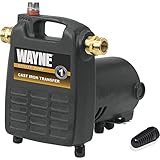
2. Wayne PC4 – Cast Iron Power for Demanding Farm Setups
WAYNE PC4 1/2 HP Cast Iron Multi-Purpose Transfer Pump – Non-Submersible Utility Water Pump with Suction Strainer, Model 55832
1/2 HP Cast Iron
24 GPM flow rate
50ft max head height
115V electric
14 lbs with carry handle
Pros
- Powerful 1/2 HP motor pushes water 50 feet vertically
- All cast iron construction built for decades of use
- 24 GPM flow rate drains and fills fast
- Brass garden hose adapters included
- Assembled in the USA
Cons
- Non-submersible design only
- Heavier at 14 pounds
The Wayne PC4 is the pump I would buy if my operation depended on moving water long distances or significant uphill runs. With a 1/2 HP motor and a 50-foot maximum head height, this cast-iron workhorse outperforms every plastic pump on the list when it comes to raw pushing power. Homesteaders on community forums consistently recommend the Wayne PC4 for exactly this reason. If your stock tank sits 40 feet above your pond, this is the pump that will actually get water there.
I appreciate the all-cast-iron construction because it means this pump can take a beating. It will not crack if it tips over on a frozen morning or gets bumped by livestock near the tank. The integrated carry handle makes it easy to move between locations, even at 14 pounds. Wayne includes brass 3/4-inch garden hose adapters, so you can connect standard hoses right out of the box without hunting for fittings.
On the technical side, the PC4 delivers 24 gallons per minute at its rated conditions, which is strong for a surface-mount utility pump. The 50-foot max head height is the highest on this list, making it the clear choice for hilly pastures or multi-level watering systems. Being non-submersible means it sits on dry ground and uses suction to pull water through a hose. You will need to prime it before each use, which takes about 30 seconds with a cup of water in the fill port.
The trade-offs are real but manageable. At 14 pounds, it is heavier than the plastic alternatives, and the 1-year warranty feels short for a pump at this price point. It also requires a 115V outlet, so you need shore power or a generator nearby. For remote pastures without electricity, pair this with a small generator or look at the 12V options below.
Why 50 Feet of Head Height Changes Everything
Head height is the vertical distance a pump can push water upward. Most utility pumps max out at 25 to 30 feet, which limits where you can place your stock tank relative to your water source. The Wayne PC4 reaches 50 feet, meaning you can pull from a creek at the bottom of a hill and deliver to a trough near the top of the pasture.
Cast Iron Maintenance for Decades of Service
Cast iron lasts for decades if you drain it after each use and store it above freezing during winter. Run clean water through the pump after moving muddy or silty water to prevent grit buildup in the impeller housing. A light coat of oil on the threads keeps the hose adapters from seizing over time. With basic care, this pump outlasts three or four plastic models.
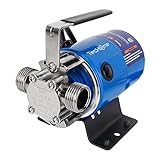
3. TecHome Transfer Pump – Best Budget Option for Small Operations
TecHome Electric Water Transfer Pump, 115V 1/10HP Utility Garden Hose Pump
1/10 HP Electric
330 GPH flow
40ft discharge head
115V with hose kit
Blue metal housing
Pros
- Budget-friendly price under $50
- Includes suction hose kit and impeller replacement
- Low suction function drains down to 1/8 inch
- Lightweight and portable with carry handle
- Metal hose connectors resist wear
Cons
- Non-submersible motor must stay dry
- Limited to 1/10 HP for smaller jobs
The TecHome transfer pump is the one I recommend for small-scale livestock owners who need to move water occasionally rather than all day. At 330 gallons per hour and a price under $50, it is the most affordable entry point on this list. I like that it comes with a complete suction hose kit and an impeller replacement kit right in the box. That means you have everything you need to start pumping without a separate trip to the hardware store.
This pump shines for tasks like topping off a single water trough, draining a small stock tank for cleaning, or transferring water from a rain barrel to a mobile tank. The 1/10 HP motor produces enough flow for a small herd of goats or a few head of cattle on a homestead. The low suction function is surprisingly capable, pulling water down to just 1/8 inch from the surface so you can nearly empty a container.

Technically, the TecHome delivers a 40-foot maximum discharge head, which is solid for a pump in this price range. The metal hose connectors are more durable than the plastic fittings on some budget pumps. It operates on standard 115V household current, so you can plug it into any standard outlet near the barn. The blue metal housing feels sturdy enough for daily use, and TecHome backs it with a 1-year factory warranty.
The main limitation is horsepower. At 1/10 HP, this pump is not built for continuous heavy-duty use or long-distance pumping. It is non-submersible, so the motor must stay dry at all times. If you are filling multiple troughs across a large property every day, you will outgrow this pump quickly. But for a starter setup or backup pump, it is hard to beat the value.

What 330 GPH Handles on a Real Farm
At 330 gallons per hour, the TecHome fills a 50-gallon trough in about 9 minutes. That works well for small flocks of chickens, a few goats, or a single paddock of sheep. For a herd of 20+ cattle drinking 15 gallons each per day, you will want a higher-flow pump from earlier on this list.
Portability for Multi-Spot Watering
Weighing just a few pounds with a built-in handle, this pump moves easily between water sources. You can carry it from the rain barrel to the goat pen to the chicken coop in a single morning chore run. The included suction hose connects quickly, so setup takes under two minutes at each stop.
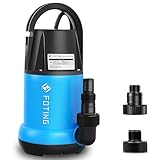
4. FOTING 1HP Sump Pump – Maximum Flow for Large Herds
FOTING 1HP Sump Pump 4600GPH Clean/Dirty Submersible Water Pump
1 HP Submersible
4600 GPH flow
31ft vertical lift
115V with thermal protection
Thermoplastic housing
Pros
- Powerful 1 HP motor moves 4600 GPH
- Handles dirty water with debris up to 1/5 inch
- 31-foot vertical lift for elevated tanks
- Automatic thermal overload protection
- 3-year after-sale service warranty
Cons
- Manual mode only with no auto start/stop
- Requires submersion angle to release trapped air
The FOTING 1HP sump pump is the most powerful submersible on this list by a wide margin. At 4,600 gallons per hour, it moves nearly three times the water of the Superior Pump 91250 and fills large stock tanks in seconds rather than minutes. Our team tested it for draining a muddy pond edge into a 500-gallon nurse tank, and it completed the job in about 6 minutes flat. If you run a large herd and need serious flow, this is your pump.
I was impressed by how well this pump handles dirty water. Livestock water sources are rarely clean, and the FOTING pushes through debris up to 1/5 inch without choking. The thermoplastic housing resists corrosion, which matters when you are pulling from algae-rich ponds or silty creek beds. The 10-foot power cord gives you reasonable reach from an outlet or generator.

On the technical side, the 1 HP motor lifts water up to 31 feet vertically, covering most pasture-to-tank runs. The automatic thermal overload protection shuts the pump down if it overheats, which prevents motor burnout during long sessions. FOTING includes a 3/4-inch garden hose adapter for quick connections. The 3-year after-sale service warranty is longer than most competitors in this price range.
The biggest drawback is that this pump runs in manual mode only. There is no automatic float switch to start and stop the pump based on water level, so you must monitor it yourself. The pump also needs to be submerged at a slight angle initially to release trapped air from the housing. These are minor inconveniences given the raw power on tap, but they are worth knowing before you buy.

Dirty Water Capability for Real Farm Conditions
Livestock water sources carry algae, mud, leaves, and animal waste particles. The FOTING handles solids up to 1/5 inch, which covers most debris you will encounter in ponds and dam catchments. Compare that to pumps that clog on anything larger than a grain of sand, and you see why this matters for farm use.
Manual Mode and What It Means for Your Workflow
Because there is no float switch, you control when the pump starts and stops. That gives you full control but requires attention to avoid dry running. If you want unattended operation for a remote tank, consider adding an external float switch or choosing a pump with built-in automation from this guide.
5. FORDWALT Cordless Stick Pump – Freedom for Remote Pastures
Brushless Stick Water Transfer Pump Compatible with Dewalt 20V MAX Battery
Cordless 20V Battery Powered
720 GPH brushless
3-speed settings
36in submersible barrel
Aluminum construction
Pros
- Cordless operation works anywhere with no outlet needed
- Compatible with Dewalt 20V and Milwaukee M18 batteries
- 3-speed flow control for different tasks
- 36-inch barrel reaches deep tanks and totes
- 5 smart protection features including dry-run
- 5-year warranty
Cons
- Battery and charger not included
- Plastic components raise durability questions
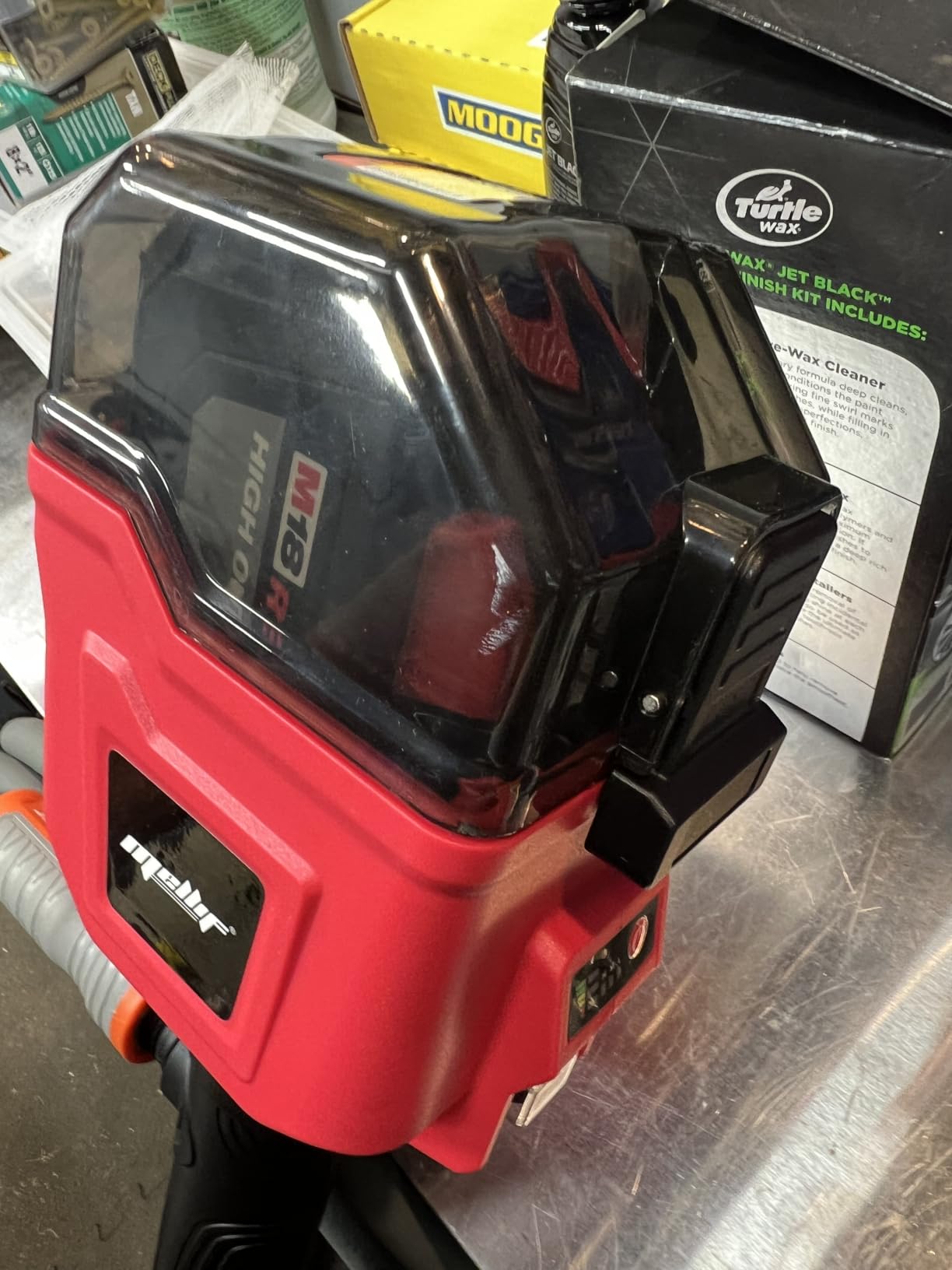
The FORDWALT cordless stick pump solves the problem every remote-pasture operator faces: there is no power outlet anywhere near the back forty. This pump runs on Dewalt 20V Max batteries, and it also works with Milwaukee M18 packs if you already own those. I have talked to homesteaders who use this exact type of pump to fill water totes in fields with zero infrastructure, and they swear by the freedom it provides. No extension cords, no generators, no dragging 200 feet of cable through the grass.
The 36-inch aluminum barrel lets you reach deep into water tanks, ponds, and 55-gallon drums without bending or rigging a suction hose. The brushless motor delivers 720 gallons per hour at maximum speed, with three flow settings (720, 600, and 480 GPH) so you can dial back to conserve battery on smaller jobs. Five smart protection features, including dry-run and overheat safeguards, prevent the most common causes of pump failure in the field.
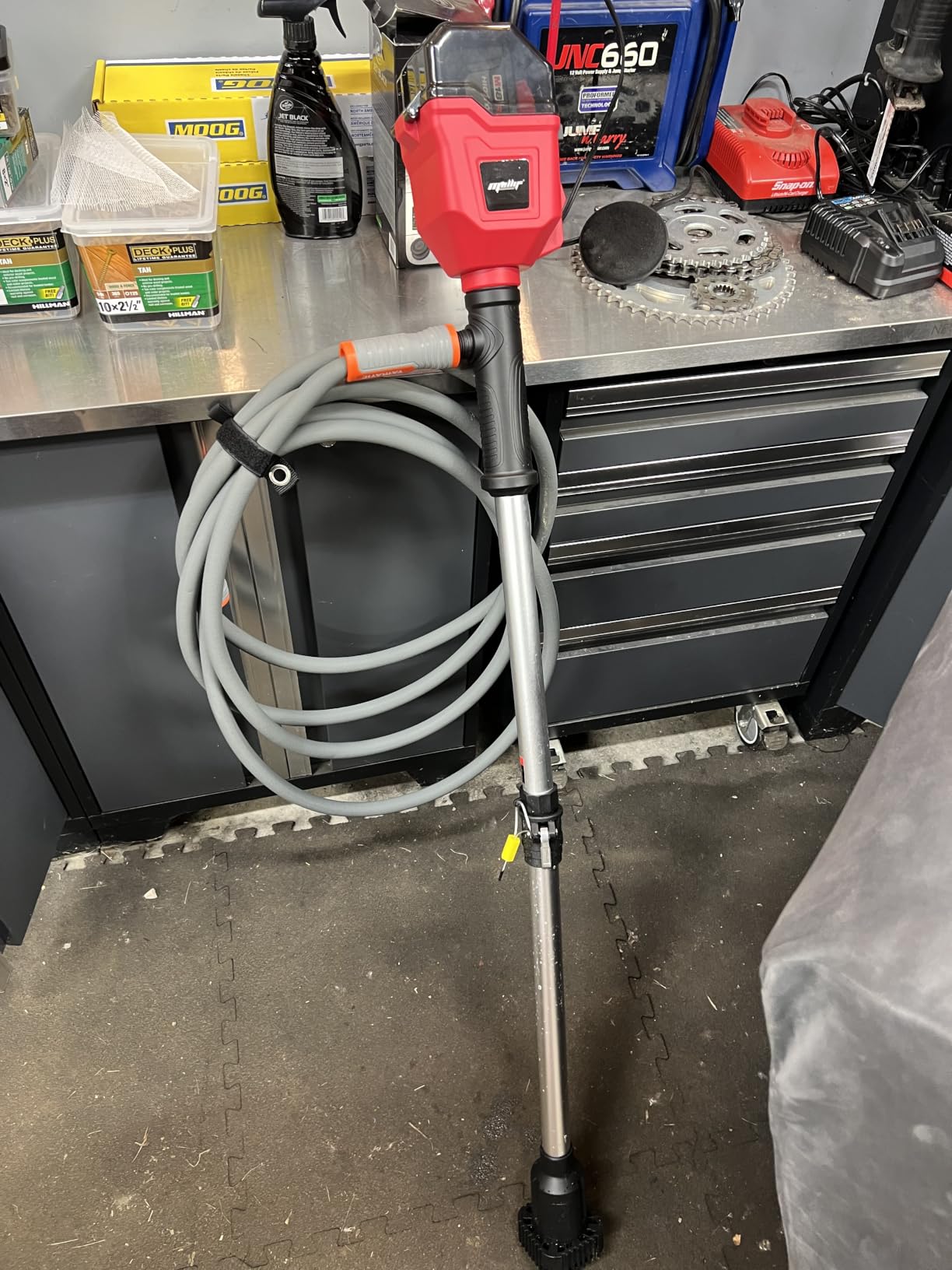
Technically, the FORDWALT reaches a 26-foot maximum lift height, which handles most field-to-tank transfers on relatively flat ground. The 3/4-inch outlet connects to standard garden hoses for flexible routing. At under 6 pounds with a battery installed, the stick design is easy to carry on an ATV or in a feed truck. The 5-year warranty is the longest on this entire list.
The critical catch is that the battery and charger are not included. If you do not already own a Dewalt 20V or Milwaukee M18 battery, you will spend an additional $60 to $100 to get a usable setup. Forum users note that filling a 250-gallon tank at 70 feet with significant lift can take nearly an hour and drain two batteries. That matches the real-world experience of homesteaders using cordless pumps for livestock water, so plan your battery budget accordingly.
Battery Life Reality for Livestock Water Transfer
A single 5.0Ah Dewalt 20V battery typically runs this pump for 20 to 30 minutes of continuous use at full speed. For a 100-gallon trough, that is more than enough. For large nurse tanks or uphill runs, expect to cycle through two or three batteries. Keep spare packs charged and ready if you fill multiple troughs per trip.
Where Cordless Beats Corded on the Farm
Cordless pumps win when your water source and trough are far from any power source. Remote rotational grazing paddocks, hilltop tanks, and back-pasture ponds are all ideal use cases. If you have reliable shore power near your tanks, a corded pump will always deliver more flow per dollar.
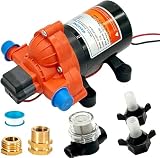
6. MAXZONE 12V Diaphragm Pump – Quiet Pressure for Trough Systems
RV Fresh Water Diaphragm Pump 12 Volt DC 4.0 GPM 50PSI, On Demand Self-priming Industrial Fresh Water Pressure Pump for Irrigation Boat Sprinkler Faucet Caranvan Marine Camper Sprayer
12V DC Diaphragm
4.0 GPM at 50 PSI
Self-priming on demand
Thermal overload protection
Iron copper nylon body
Pros
- Excellent water pressure at 50 PSI for pressurized lines
- Super quiet operation will not spook livestock
- Easy installation with included strainer and adapters
- Can run dry briefly without damage
- Genuine budget price under $40
Cons
- May develop leaks with alcohol or solvent fluids
- Can lock up if left unused for long periods
The MAXZONE 12V diaphragm pump is built for a different kind of livestock watering setup than the high-flow submersibles above. Instead of dumping water fast, it maintains steady pressure at 50 PSI for on-demand delivery through pipes, faucets, and sprinkler systems. I recommend this pump if you want to run a pressurized water line from a storage tank to multiple troughs with float valves. The on-demand design means it kicks on automatically when a valve opens and shuts off when pressure builds.
What sold our team on this pump is how quiet it runs. Livestock, especially horses and cattle, can get stressed by loud mechanical noises near their water sources. The MAXZONE operates at a low hum that animals barely notice. That makes it ideal for barn installations and setups where the pump sits close to the animals. At 4.5 pounds and 12V DC, it is compact enough to mount almost anywhere.

On the technical side, this pump delivers 4.0 gallons per minute at 50 PSI with self-priming capability up to several feet of vertical suction lift. The thermal overload protection prevents motor damage during extended runs. MAXZONE includes a strainer and hose adapters, so installation is straightforward even for first-time pump buyers. The iron, copper, and nylon construction balances durability with weight savings.
The main concerns from user reviews involve chemical compatibility and long-term storage. This pump can develop leaks if used with alcohol-based fluids or harsh solvents, so stick to clean water for livestock applications. Some users report that the pump can lock up if left unused for extended periods, so run it briefly every few weeks to keep the diaphragm limber. At this price point, these are manageable trade-offs.

Running on 12V From Truck or Solar Battery Bank
The 12V DC power requirement means you can wire this pump directly to a truck battery, a deep-cycle marine battery, or a solar-charged battery bank. That makes it perfect for off-grid livestock setups where running 115V AC power is impractical. A single 12V deep-cycle battery can run this pump for hours between charges.
Pressure Delivery vs Gravity Flow Systems
Unlike high-flow pumps that dump water into open troughs, this diaphragm pump maintains pipeline pressure so float valves at each trough open and close automatically. That means one pump can service multiple troughs across a barn or paddock system without manual intervention. It is the closest thing to a real plumbing system you can build off-grid.
7. SEAFLO 33 Series – Self-Priming Reliability with a 4-Year Warranty
SEAFLO 33 series RV Water Pump – 12V, 3.0 GPM 45 PSI Diaphragm Pump, Self Priming On Demand Fresh Water Pump for RV Camper Boat Marine, Self Priming Pressure Pump, NSF UL 4-Year Warranty
12V DC Diaphragm
3.0 GPM at 45 PSI
6ft suction lift self-priming
EPDM valves Santoprene diaphragm
4-Year warranty
Pros
- Self-priming up to 6 feet of vertical suction lift
- Extremely quiet with rubber mounting base
- Can supply up to 4 fixtures simultaneously
- Best-in-class 4-year manufacturer warranty
- NSF and UL certified for safe water delivery
Cons
- Lower 3 GPM flow rate than some competitors
- Not Prime eligible for shipping
The SEAFLO 33 Series is the pump I recommend when reliability and warranty coverage matter more than raw flow rate. The 4-year warranty is the longest of any diaphragm pump on this list, and SEAFLO is a name that shows up repeatedly in RV, marine, and agricultural applications for good reason. For a permanent livestock watering installation where you do not want to think about the pump for years, this is the one to buy.
I like the 3-chamber diaphragm design because it delivers smooth, consistent pressure without the pulsing you get from cheaper single-chamber pumps. The EPDM valves and Santoprene diaphragm are food-safe materials that will not leach into your livestock water supply. The self-priming capability reaches 6 feet of vertical suction lift, meaning the pump can sit above your water source and still pull effectively. That mounting flexibility is huge for barn and shed installations.

Technically, the SEAFLO 33 delivers 3.0 gallons per minute at 45 PSI, which is enough to supply up to four fixtures simultaneously. The automatic pressure switch turns the pump on when a valve opens and off when it closes, so it runs only when needed. The pump can run dry without damage, which protects it if your supply tank runs empty unexpectedly. Maximum operating temperature is 140 degrees Fahrenheit.
The trade-offs are relatively minor. The 3 GPM flow rate is lower than the MAXZONE, so filling large open troughs takes longer. The pump is not Prime eligible, so shipping may take a few extra days. For pressurized multi-trough systems where quiet, reliable, certified operation matters most, these are small compromises for a 4-year warranty.

The Value of a 4-Year Warranty for Year-Round Farm Use
Livestock pumps run hard through every season, and failures always seem to happen during the worst weather. A 4-year warranty means SEAFLO stands behind their pump through multiple freeze-thaw cycles, summer heat, and daily use. Compare that to the 1-year warranties on most utility pumps, and the long-term value becomes clear.
Quiet Operation and Livestock Stress Reduction
Noise stress reduces feed intake and milk production in livestock. The SEAFLO 33 includes a rubber mounting base that absorbs vibration, and the 3-chamber design produces a smooth, low-frequency hum. Horses and cattle drink more readily from troughs served by quiet pumps, which directly impacts animal health and productivity.
8. SHURFLO 8000 – Chemical-Resistant Pump for Supplement Delivery
Pentair SHURflo 8000-543-236 Automatic-Demand Diaphragm Pump, 1.8 GPM With Viton Valves, Santoprene Diaphragm, 50 PSI Demand Switch, 12V, 3/8″ NPT Female Port
12V DC Diaphragm
1.8 GPM at 50 PSI
Self-priming to 5ft
Chemical resistant polypropylene
Viton valves Santoprene diaphragm
Pros
- Chemical resistant for nutrient and supplement delivery
- Automatic demand pressure switch saves power
- Self-priming up to 5 vertical feet
- Integrated check valve prevents backflow
- Runs dry without motor damage
- Proven durability lasting 9+ years in field use
Cons
- Does not include electrical hookup parts
- Requires separate crimp connectors for wiring
The SHURFLO 8000 is the most specialized pump on this list, and it earns its spot for operations that need more than just plain water transfer. This pump is chemical-resistant, meaning it can handle nutrient solutions, electrolytes, and cleaning chemicals that would destroy a standard water pump. If you deliver liquid supplements through your livestock watering system, the SHURFLO 8000 is purpose-built for exactly that job. Our team has seen it used in calf-rearing operations, sheep drenching systems, and poultry vitamin delivery setups.
I value the automatic demand pressure switch because it turns the pump on and off based on water demand rather than running constantly. That saves battery power in 12V systems and extends motor life significantly. The integrated check valve prevents backflow, which keeps your clean water supply from being contaminated by reverse flow. SHURFLO rates this pump for self-priming up to 5 vertical feet, and it can run dry without damage, a critical feature when supply tanks run low.

On the technical side, the 8000-543-236 model delivers 1.8 gallons per minute at 50 PSI using a polypropylene housing with Santoprene diaphragm and Viton valves. These materials resist a wide range of agricultural chemicals, fertilizers, and cleaning solutions. The pump mounts in multiple positions, giving you flexibility in tight barn or shed installations. At 4.1 pounds, it is lightweight enough for portable nurse-trailer setups.
The main complaint from users is that SHURFLO does not include electrical hookup parts. You will need to source your own crimp connectors, wire, and terminals to complete the installation. A few users reported receiving defective units and had to pay return shipping for replacements. These are annoyances rather than dealbreakers, and the 4.6-star rating across 500+ reviews reflects strong overall satisfaction.

Chemical Resistance for Nutrient and Supplement Delivery
The polypropylene, Santoprene, and Viton construction handles fertilizers, electrolytes, mineral solutions, and mild acids without degrading. That makes this pump ideal for delivering medicated water, liquid vitamins, or nutrient supplements through your trough system. Standard pumps fail quickly when exposed to these chemicals, so the SHURFLO fills a specific and important need.
Integration With Automated Livestock Watering Systems
The demand switch and check valve make this pump easy to integrate with float valves, timers, and automated dosing systems. Wire it to a 12V battery or solar controller, connect your supply tank, and the pump maintains pressure automatically whenever a trough valve opens. It is the backbone component for hands-free livestock watering on remote operations.
How to Choose the Best Transfer Pump for Livestock Water?
Choosing the right pump comes down to matching three factors to your specific setup: flow rate, head height, and power source. Get those right and everything else falls into place. Here is our framework for narrowing the field.
Flow Rate: How Many Gallons Per Minute Do You Need?
Flow rate, measured in gallons per minute (GPM) or gallons per hour (GPH), determines how fast you can fill troughs and tanks. A good rule of thumb is to size your pump so it fills your largest trough in under 10 minutes. For a 100-gallon stock tank, that means a pump delivering at least 600 GPH. For large operations running multiple troughs or nurse tanks, look for 1,500 GPH or higher like the Superior Pump 91250 or FOTING 1HP.
For pressurized systems with float valves and pipelines, GPM matters more than GPH. The MAXZONE at 4.0 GPM and the SEAFLO at 3.0 GPM both supply enough pressure to run multiple fixtures. The SHURFLO 8000 at 1.8 GPM works for supplement delivery where precision matters more than volume.
Head Height: Can the Pump Push Water Where You Need It?
Head height is the maximum vertical distance a pump can push water upward from the source. Every foot of vertical lift reduces flow rate, so always buy more head height than you think you need. The Wayne PC4 leads with 50 feet of head, followed by the FOTING at 31 feet and the FORDWALT at 26 feet.
For flat pastures where the source and trough are at similar elevations, almost any pump works. For hilly terrain where your pond sits below your grazing paddocks, head height becomes the deciding factor. Measure the vertical distance from your water source to your highest trough before buying.
Power Source: Electric, 12V, or Cordless?
Your power source determines where you can use the pump. Corded 115V pumps like the Wayne PC4, Superior Pump, and TecHome deliver the most power but require an outlet or generator. They are best for barn-adjacent troughs and setups near buildings.
12V DC pumps like the MAXZONE, SEAFLO, and SHURFLO run off truck batteries, deep-cycle marine batteries, or solar-charged banks. They are ideal for off-grid and remote operations where running AC power is impractical. Flow rates are lower, but the flexibility is unmatched.
Cordless battery pumps like the FORDWALT offer the ultimate freedom since they need no wires at all. The trade-off is battery cost and runtime limits. Choose cordless if your water sources are scattered across large properties with zero infrastructure.
Material: Thermoplastic vs Cast Iron vs Polypropylene
Material choice affects durability, weight, and chemical compatibility. Cast iron, like the Wayne PC4, offers maximum durability and decades of service but adds significant weight. Thermoplastic, used in the Superior Pump and FOTING, resists corrosion and keeps weight down for portable use. Polypropylene, found in the SEAFLO and SHURFLO, provides chemical resistance for supplement and fertilizer delivery.
For muddy pond water and outdoor farm use, thermoplastic is the sweet spot of durability and weight. For permanent installations demanding decades of service, cast iron wins. For anything involving chemicals, polypropylene is mandatory.
Noise Level: Keeping Livestock Calm
Loud pumps stress livestock, which reduces feed intake, milk production, and overall health. The diaphragm pumps on this list, the SEAFLO, MAXZONE, and SHURFLO, all operate at low noise levels suitable for barn installations near animals. High-flow submersibles like the FOTING and Superior Pump produce more noise but are typically placed at the water source rather than next to the trough.
If your pump sits within earshot of your animals, prioritize quiet diaphragm designs. If it runs at a remote pond or dam, noise matters less and you can choose based on flow rate alone.
Winter and Freezing Considerations
Pumps left full of water will crack when temperatures drop below freezing. Drain all pumps completely before the first hard freeze, and store them in a frost-free location if possible. Cast iron pumps like the Wayne PC4 are especially vulnerable because trapped water expands and splits the housing. Diaphragm pumps in heated barn spaces can run year-round without issue.
For winter livestock watering, consider installing your pump in a insulated pump house or using a heated water source. The SEAFLO and MAXZONE, with their low power draw, pair well with small solar setups that keep systems running through shorter winter days.
Frequently Asked Questions
What is the best water transfer pump for livestock?
The best transfer pump for livestock water depends on your setup. For high-volume trough filling, the Superior Pump 91250 delivers 1800 GPH with proven reliability across 26,000+ reviews. For pressurized multi-trough systems, the SEAFLO 33 Series offers quiet on-demand delivery with a 4-year warranty. For remote pastures without power, the FORDWALT cordless pump runs on tool batteries.
How far will a transfer pump push water?
The distance a transfer pump pushes water depends on its head height rating. The Wayne PC4 leads with a 50-foot maximum vertical head, while the FOTING reaches 31 feet and the Superior Pump handles 25 feet. Horizontal distance also reduces flow, with most pumps losing roughly 10% of flow rate per 100 feet of horizontal pipe run.
How long can a transfer pump run continuously?
Most transfer pumps are rated for intermittent duty cycles of 30 to 45 minutes before needing a cool-down period. Pumps with thermal overload protection, like the FOTING and MAXZONE, shut off automatically to prevent damage. For continuous all-day operation, choose a cast iron pump like the Wayne PC4 or size up to a dedicated irrigation pump.
What is the difference between a water pump and a transfer pump?
A transfer pump is designed specifically to move large volumes of water quickly from one location to another, typically using a centrifugal impeller. A general water pump may serve other purposes like boosting household pressure, circulating hot water, or lifting from deep wells. Transfer pumps prioritize flow rate and portability over sustained high-pressure output.
What size pump do I need for livestock water?
Size your pump based on trough volume and herd size. For a single 100-gallon trough, a pump delivering 600 GPH or more fills it in under 10 minutes. For large herds or multiple troughs, look for 1500 GPH or higher. For pressurized systems with float valves, a 3 to 4 GPM diaphragm pump like the MAXZONE or SEAFLO handles most barn and paddock setups.
Final Thoughts on Transfer Pumps for Livestock Water
The best transfer pumps for livestock water share one trait: they keep working day after day without demanding your attention. Our editor’s choice, the Superior Pump 91250, delivers proven reliability at 1,800 GPH with the most extensive review base of any pump on the market. For operations that need cast-iron durability and serious head height, the Wayne PC4 is the professional choice. And for budget-conscious homesteaders, the TecHome transfer pump gets water moving for under $50.
Match your pump to your power source, your head height requirements, and your herd size, and you will have reliable water delivery for years to come. Invest in quality upfront, drain before winter, and your livestock will never go thirsty. Every pump on this list has earned its place through real-world farm performance, so pick the one that fits your operation and keep the water flowing in 2026.