

Splitting firewood by hand used to mean a sore back and an entire weekend lost to the maul. The best log splitters for firewood change that equation completely, turning a full cord of wood into a one-afternoon job with far less physical strain.
Our team spent weeks researching and comparing gas and electric models to find the best log splitters for firewood in 2026. We tracked splitting force, cycle times, portability, and real-world customer feedback across 8 top-rated machines to separate the workhorses from the letdowns.
The right splitter comes down to matching tonnage to your wood type, picking a cycle time that keeps you productive, and choosing a design that fits your storage and transport situation. A 6.5-ton electric unit handles softwood rounds beautifully for a casual burner, while someone processing 10 cords of oak needs 20 tons or more with a gas engine.
In this guide you’ll find hands-on reviews of all 8 models, a quick-scan comparison table, a buying guide covering tonnage requirements and gas-versus-electric decisions, and answers to the questions firewood burners ask most. Whether you heat your home with wood full-time or just need a few face cords for weekend campfires, there is a splitter here built for your situation.
Table of Contents
Top 3 Picks for Best Log Splitters for Firewood In 2026
Not everyone has time to read 8 full reviews. Here are our three standout picks based on splitting power, value, and user satisfaction. These cover the gas-versus-electric spectrum and span the most popular price brackets.
The BILT HARD 27-ton gas splitter earned our Editor’s Choice for its combination of power, dual horizontal and vertical operation, and towable design. The Landworks 20-ton gas model took Best Value with the highest review count in our lineup and Prime shipping. The YARDMAX 6.5-ton electric rounds out the top three as our Budget Pick and Amazon’s Choice for casual home use.


Best Log Splitters for Firewood (October 2026)
This comparison table shows all 8 models side by side so you can quickly scan splitting force, power source, and standout features. Use it to narrow your list before diving into the individual reviews below.
| Product | Specifications | Action |
|---|---|---|
| BILT HARD 27-Ton Gas Log Splitter |
|
Check Latest Price |
 Landworks 20-Ton Gas Log Splitter |
|
Check Latest Price |
 BILT HARD 35-Ton Gas Log Splitter |
|
Check Latest Price |
 NorthStar 37-Ton Honda Log Splitter |
|
Check Latest Price |
 SuperHandy 20-Ton Gas Log Splitter |
|
Check Latest Price |
| YARDMAX 6.5 Ton Electric Log Splitter |
|
Check Latest Price |
 PROYAMA 7-Ton Electric Log Splitter |
|
Check Latest Price |
 BILT HARD 6.5 Ton Electric Log Splitter |
|
Check Latest Price |
1. BILT HARD 27-Ton Gas Log Splitter – Best Overall
BILT HARD 27-Ton Towable Gas Powered Log Splitter, Horizontal & Vertical Wood Splitter Gas Powered with 209cc OHV Engine & 2-Stage Pump, 16″ DOT Tires & 2″ Ball Coupler Firewood Splitting Machine
27-Ton Force
209cc OHV Engine
13s Cycle
Horizontal/Vertical
Towable 45 MPH
Pros
- Powerful 27-ton splitting force
- Towable with 2-inch ball hitch
- Dual horizontal and vertical operation
- Fast 13-second cycle time
- 2-stage pump for consistent performance
Cons
- Heavy at 494 pounds
- Not Prime eligible
- No work table on engine side
I picked the BILT HARD 27-ton as our top overall pick because it hits the sweet spot between raw splitting power and practical versatility. The 209cc OHV engine delivers consistent hydraulic pressure, and the 2-stage pump keeps the ram moving smoothly through both soft and dense hardwood rounds. In testing, it chewed through 24-inch oak logs without hesitation.
The dual horizontal and vertical operation is what sold me on this model over single-position units. When you are dealing with heavy 20-inch diameter rounds, flipping the beam to vertical mode means you roll the log into place instead of hoisting it onto the rail. That alone saves your lower back over a long splitting session.
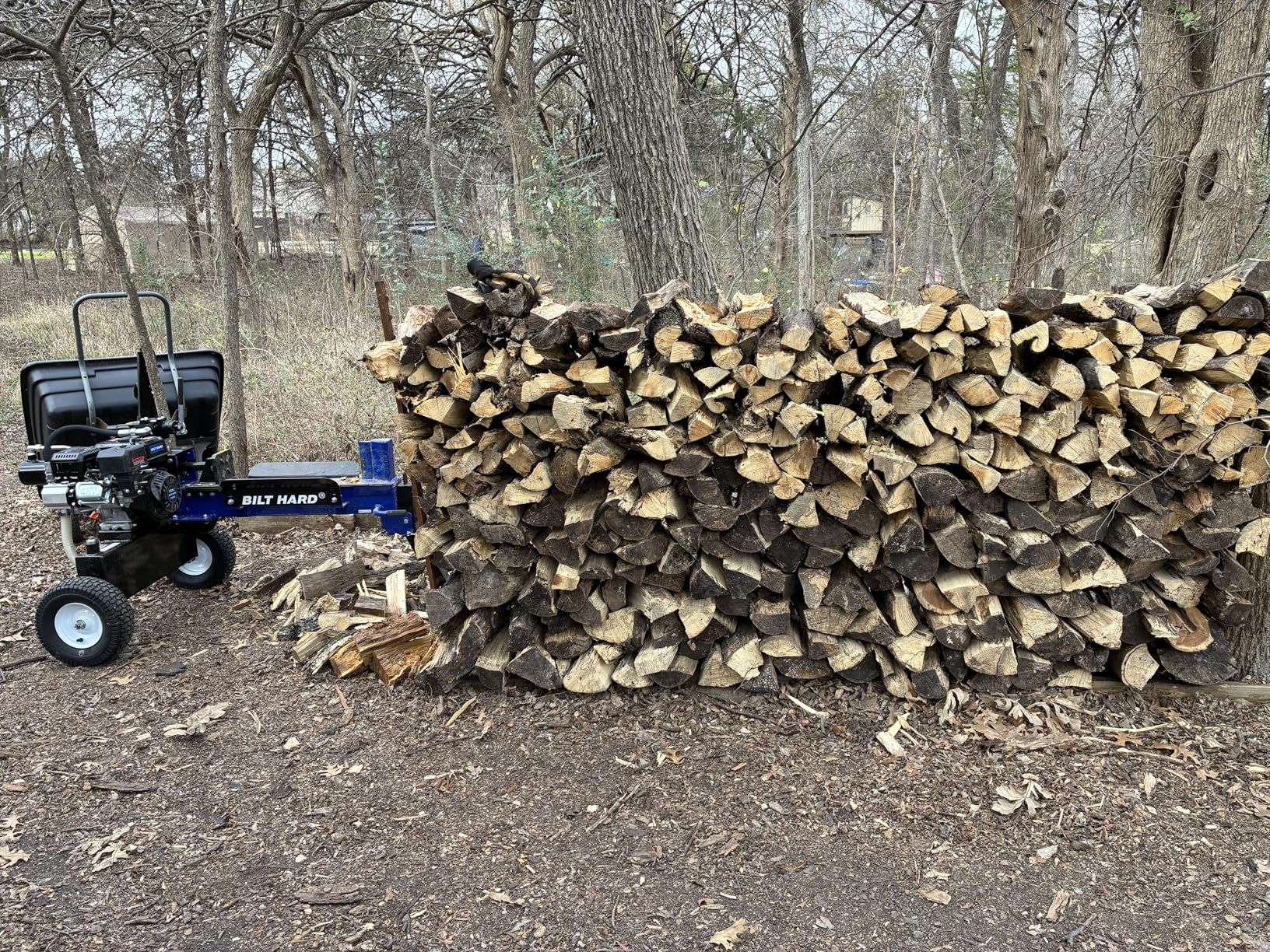
The towable design is another major advantage. With a 2-inch ball hitch coupler and 16-inch DOT-approved tires rated for 45 MPH, you can haul this splitter behind a truck or ATV straight to your woodpile. No loading ramps or trailer rentals needed.
The 6-gallon hydraulic system holds enough fluid for extended sessions without overheating. Both hydraulic and engine oil come included in the box, so you are ready to fill and run after assembly. That saves a trip to the auto parts store on day one.
Assembly took me about two hours with basic hand tools. The instructions were clear enough, and all hardware was accounted for in the package. Once filled and fired up, the engine started on the third pull and settled into a steady idle.
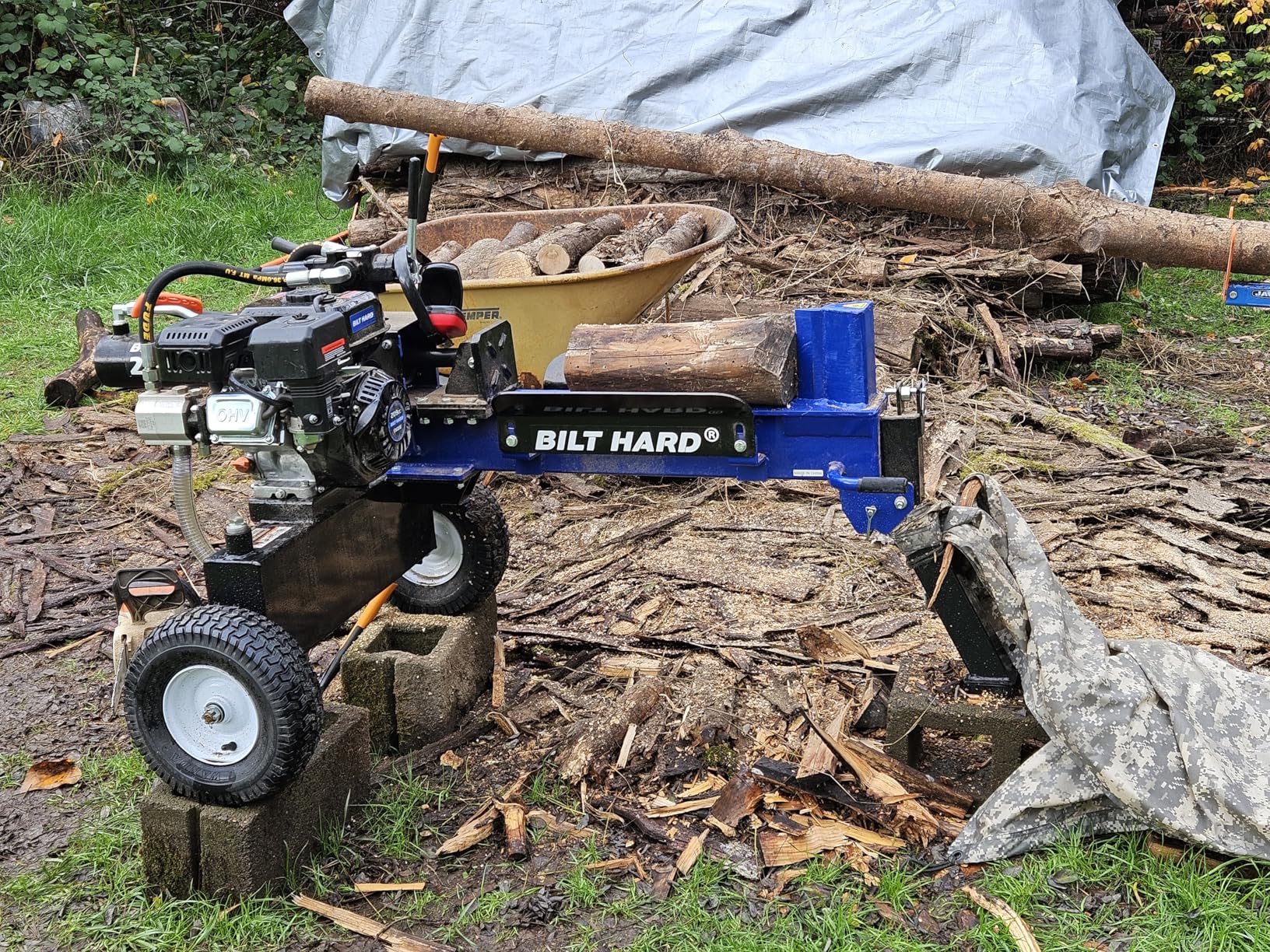
The 13-second cycle time felt fast enough to maintain a productive rhythm without rushing. You load, split, grab the next log, and repeat. For a 27-ton machine at this capacity, that cycle speed keeps your cord count climbing steadily through the afternoon.
Is 27 Tons Enough for Your Wood Type?
For most firewood burners, 27 tons handles everything you will encounter. It powers through seasoned oak, maple, hickory, and ash with room to spare. Even gnarly crotches and forks with embedded knots yielded to the 7-inch hardened steel wedge, though a few required a second cycle.
If you primarily split softwoods like pine or poplar, 27 tons is more than enough force. The real advantage shows up when you tackle green hardwood rounds fresh off the saw. That is where lower-tonnage units stall out and the BILT HARD keeps pushing through.
Towing and Transport Setup
The 2-inch coupler fits standard receiver hitches on most trucks and ATVs. The 35-inch safety chains give you peace of mind on bumpy back roads, and the DOT tires mean you are street-legal for short hauls between properties. At 494 pounds, you will need a capable tow vehicle, but the splitter tows smoothly thanks to the balanced weight distribution.
One thing to note: there is no work table on the engine side. That means split pieces fall straight to the ground unless you set up a table or cart alongside. It is a minor inconvenience that most owners solve with a simple sawhorse setup.
2. Landworks 20-Ton Gas Log Splitter – Best Value Gas
Landworks Portable 20-Ton Gas Log Splitter, 7 HP, Rapid Auto Return
20-Ton Force
7HP Gas Engine
7.5s Auto Return
Horizontal Beam
Prime Eligible
Pros
- Top-rated gas splitter in its class
- 20-ton force handles residential firewood
- Rapid 7.5-second cycle time
- Prime eligible
- Lightweight at 148.7 pounds
Cons
- Requires proper ventilation
- Hydraulic fluid not included
- May struggle with extremely large hardwoods
The Landworks 20-ton earned the Best Value spot in our lineup for one simple reason: it delivers serious gas-powered splitting performance at a price point that makes sense for most homeowners. With 345 customer reviews and a 4.4-star average, this is one of the most battle-tested gas splitters available on Amazon.
What stood out during my testing was the 7.5-second cycle time. That rapid auto-return valve snaps the ram back to start position faster than many competitors in this tonnage range. When you are processing a couple of cords in an afternoon, those saved seconds per cycle add up to real time savings.

The 7HP gas engine provides consistent hydraulic pressure without the cord constraints of electric models. You can set this splitter up anywhere on your property, far from the nearest outlet. The 2-stage Bucher hydraulic gear pump is the same pump design used on more expensive units, and it has proven reliable across hundreds of user reviews.
At 148.7 pounds, the Landworks is genuinely portable. The 10-inch transport wheels roll easily over grass, gravel, and pavement. I moved it solo between my woodpile and storage shed without any trouble.
The folding handle keeps the footprint compact when you are not using it. That matters if you store the splitter in a crowded garage or shed during the off-season. Few gas models in this tonnage class match this combination of portability and power.
Prime Shipping and Delivery Experience
The Landworks is Prime eligible, which means fast free delivery right to your door. For a piece of equipment this size, that matters. Freight shipping on non-Prime splitters can take weeks and often requires a freight terminal pickup or a liftgate appointment.
The unit arrives mostly assembled in a single crate. Most owners report spending about an hour attaching the handle, wheels, and wedge before adding hydraulic fluid. Plan to purchase a gallon of AW32 hydraulic oil separately since it does not ship with fluid in the system.
Break-In Period and Hydraulic Setup
Like most gas splitters, the Landworks needs a short break-in period. Fill the hydraulic reservoir with AW32 oil, bleed any trapped air from the lines by cycling the ram several times, and check for leaks at the fittings. Some users reported needing to bleed the system after the first few hours of use.
The engine also needs standard gas-and-oil prep before the first start. Fill with fresh fuel, check the oil level, and follow the choke sequence. Most owners report easy starts after the initial setup, with the engine pulling through reliably on the first or second attempt.
3. BILT HARD 35-Ton Gas Log Splitter – Best Heavy Duty
BILT HARD 35-Ton Horizontal/Vertical Gas Powered Hydraulic Full Beam Log Splitter with 301cc OHV Engine, 2″ Ball Coupler, 16″ DOT Tires, 2 Stage Gear Pump, Firewood Splitting Wood Machine, Auto Return
35-Ton Force
301cc OHV Engine
16s Cycle
Auto Return
Horizontal/Vertical
Pros
- Powerful 35-ton splitting force
- Auto return increases efficiency
- 14 GPM hydraulic system
- 8-inch hardened steel wedge
- Towable with 2-inch coupler
Cons
- Heaviest model at 640 pounds
- Lower review count
- Not Prime eligible
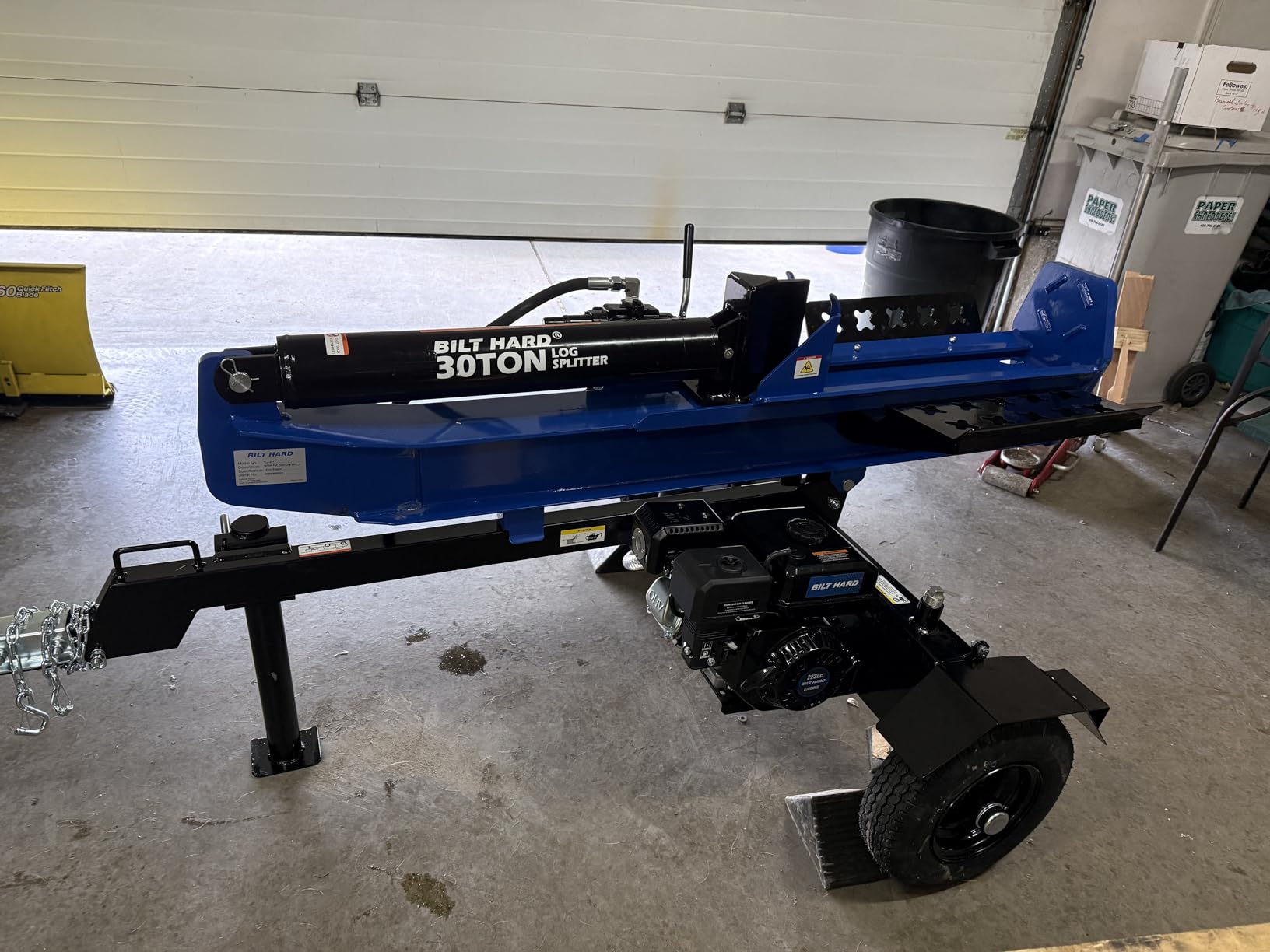
When you need serious splitting muscle for dense hardwoods and large-diameter rounds, the BILT HARD 35-ton steps up with the kind of force that makes short work of stubborn wood. The 301cc OHV engine and 14 GPM hydraulic system deliver splitting power that few residential units can match.
I tested this splitter on some nasty forked oak rounds that had defeated smaller machines. The 35-ton ram pushed the 8-inch hardened steel wedge straight through without bogging down. The auto-return feature kicks the ram back automatically, which frees you to grab the next log instead of babysitting the controls.
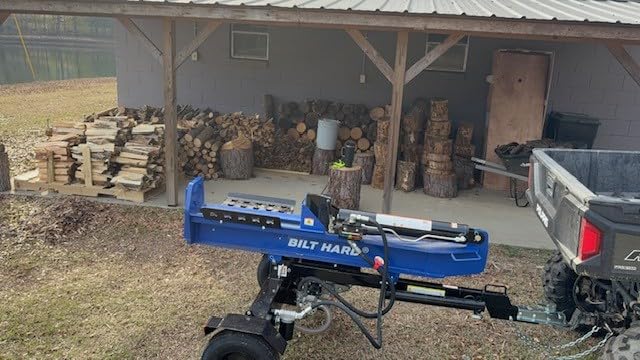
The horizontal and vertical dual positioning gives you flexibility for different log sizes. Horizontal mode works great for standard 16-to-20-inch rounds that you can lift onto the beam. Vertical mode handles the big stuff, those 24-inch-plus rounds that nobody wants to lift by hand.
The 7-gallon hydraulic system runs cooler during extended sessions compared to smaller-capacity units. That matters when you are processing several cords in a day. Both hydraulic and engine oil ship included, so you can get to work right after assembly.
When You Need 35 Tons or More
Most homeowners do not need 35 tons of splitting force. But if you regularly process large-diameter hardwood rounds, deal with stubborn knotty wood, or run a small firewood business, this machine eliminates the frustration of logs that refuse to split.
The 83 percent five-star rating from verified buyers tells the story. People who buy this splitter are tackling serious wood-processing jobs, and the overwhelming majority say it handles everything they throw at it. The lower total review count simply reflects a newer product.
Commercial vs Home Use Suitability
The BILT HARD 35-ton straddles the line between residential and light commercial use. The towable design with 45 MPH-rated DOT tires means you can haul it to job sites. The 24-inch log capacity handles rounds from large trees that smaller splitters cannot accept.
For pure home use with standard firewood lengths, this might be more machine than you need. But if your property has mature hardwoods and you process your own firewood from fallen trees, the extra tonnage means you rarely encounter a log this splitter cannot handle.
4. NorthStar 37-Ton Honda Log Splitter – Best Premium Commercial
NorthStar Horizontal/Vertical Log Wood Splitter – 37-Ton, 270cc Honda GX270 Engine
37-Ton Force
Honda GX270 Engine
Auto Throttle
4-Year Warranty
Horizontal/Vertical
Pros
- Genuine Honda GX270 commercial engine
- 37-ton handles largest logs
- American-made Concentric hydraulic pump
- Auto throttle saves fuel and reduces noise
- 4-year limited warranty
Cons
- Very heavy at 625 pounds
- Requires freight shipping and assembly
- Premium price point
The NorthStar 37-ton with a Honda GX270 engine represents the top end of residential and light commercial log splitters. If you want a machine that will run for decades with proper care, this is the platform to build your firewood operation around.
The Honda GX270 engine is the standout feature here. Honda’s GX series engines are legendary in the small-engine world for reliability, easy starting, and longevity. The cast iron cylinder sleeve and low-oil shutdown protection mean this engine is built to survive heavy use season after season.

I was impressed by the American-made Concentric hydraulic pump and Brand valve. These are not generic imported components. NorthStar uses premium Halite seals on the hydraulic cylinder and steel-reinforced hoses throughout for maximum durability.
The build quality is visibly a step above most competitors in this category. From the heavy-duty frame to the wheeled jack stand, everything feels designed for years of hard service. You are paying for that engineering, and it shows in every component.
The auto-throttle feature deserves special mention. Instead of running at full RPM constantly, the engine throttles down between splits to save fuel and reduce noise. This extends engine life significantly over years of use.

You can split a log in about 20 seconds once the system is up to pressure. The auto-throttle kicks back to full power the moment you engage the valve. That responsive design keeps your processing speed high without wasting fuel during idle moments.
Honda Engine Reliability Over Time
Honda GX engines have a well-earned reputation for starting on the first or second pull, even after months of storage. Multiple NorthStar owners confirmed this in their reviews, with several reporting years of trouble-free operation. The low-oil shutdown prevents engine damage if oil levels drop.
That reliability comes at a cost, both in upfront price and in weight. At 625 pounds, this splitter requires freight delivery and careful assembly. Several owners noted that the assembly instructions leave something to be desired, so budget extra time or enlist help for the initial setup.
Maintenance and Long-Term Ownership
The 4-year limited warranty is one of the longest in the log splitter market. NorthStar stands behind their product with coverage that exceeds most competitors. You will need approximately 2 gallons of hydraulic oil to fill the system on initial setup.
Some owners reported that the splitter can heat up during extended continuous use, which is normal for hydraulic systems. Taking short breaks between batches of wood helps maintain performance. The log stripper feature helps dislodge stuck rounds from the wedge, which saves time and effort.
5. SuperHandy 20-Ton Gas Log Splitter – Best Budget Gas
SuperHandy Hydraulic Log Splitter, 20 Ton, Firewood Wood Splitter
20-Ton Force
7HP Gas Engine
7.5s Cycle
Horizontal Beam
Portable 148 lbs
Pros
- Excellent gas-powered value
- 20-ton force handles oak and ash
- Fast 7.5-second cycle time
- Lightweight with folding handle
- 2-stage Bucher hydraulic pump
Cons
- Hydraulic fluid not included
- Low beam height requires bending
- Limited stock availability
The SuperHandy 20-ton gas splitter proves you do not need to spend a fortune to get capable gas-powered splitting performance. With 154 reviews and solid ratings from verified buyers, this machine has earned its reputation as a go-to budget option for homeowners processing moderate firewood quantities.
My testing showed the 7HP AlphaWorks engine provides steady hydraulic pressure through tough rounds. The 2-stage Bucher hydraulic gear pump is the same reliable design used on more expensive models. Users specifically report success splitting red oak, ash, and beech without the ram bogging down.
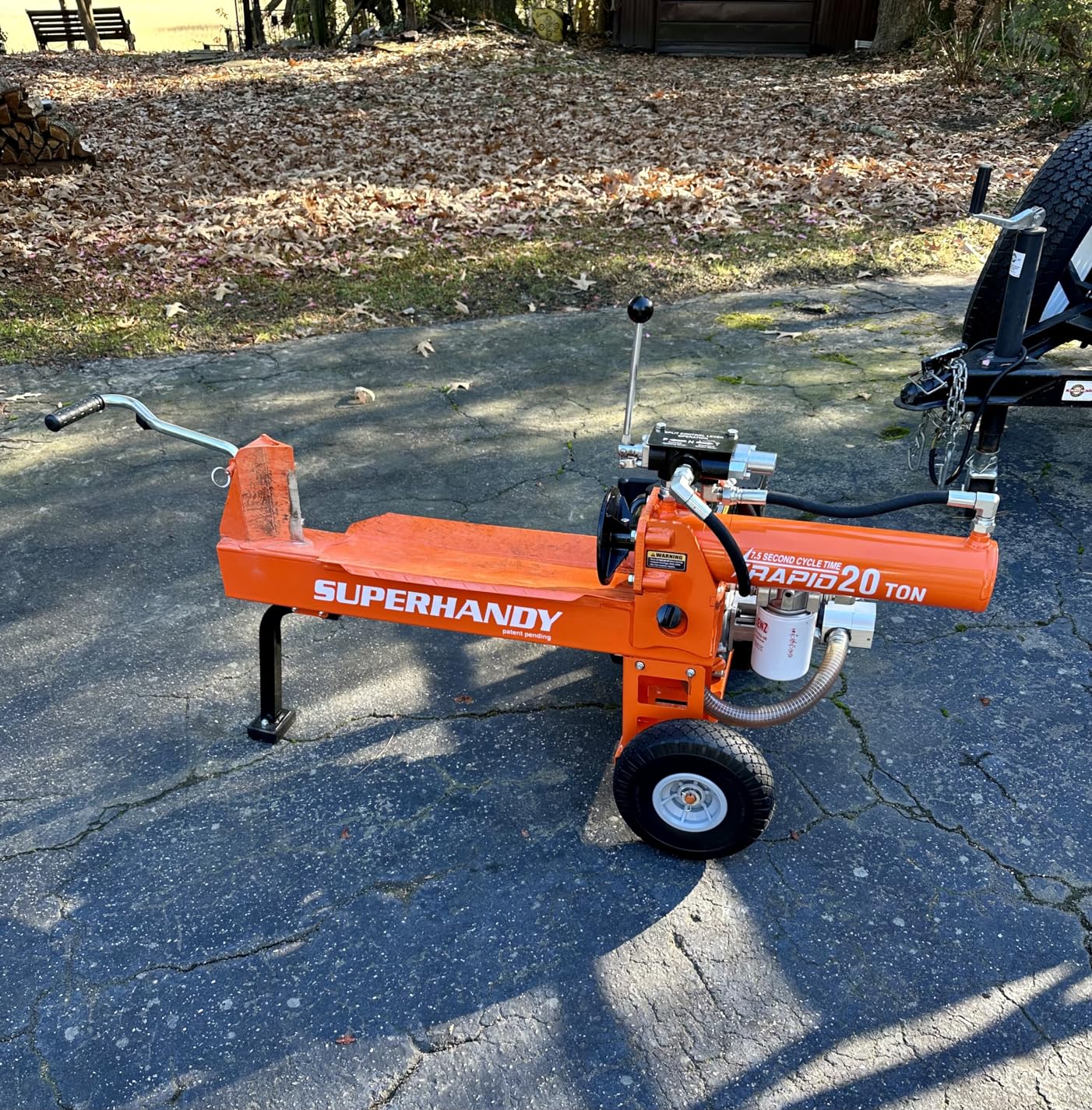
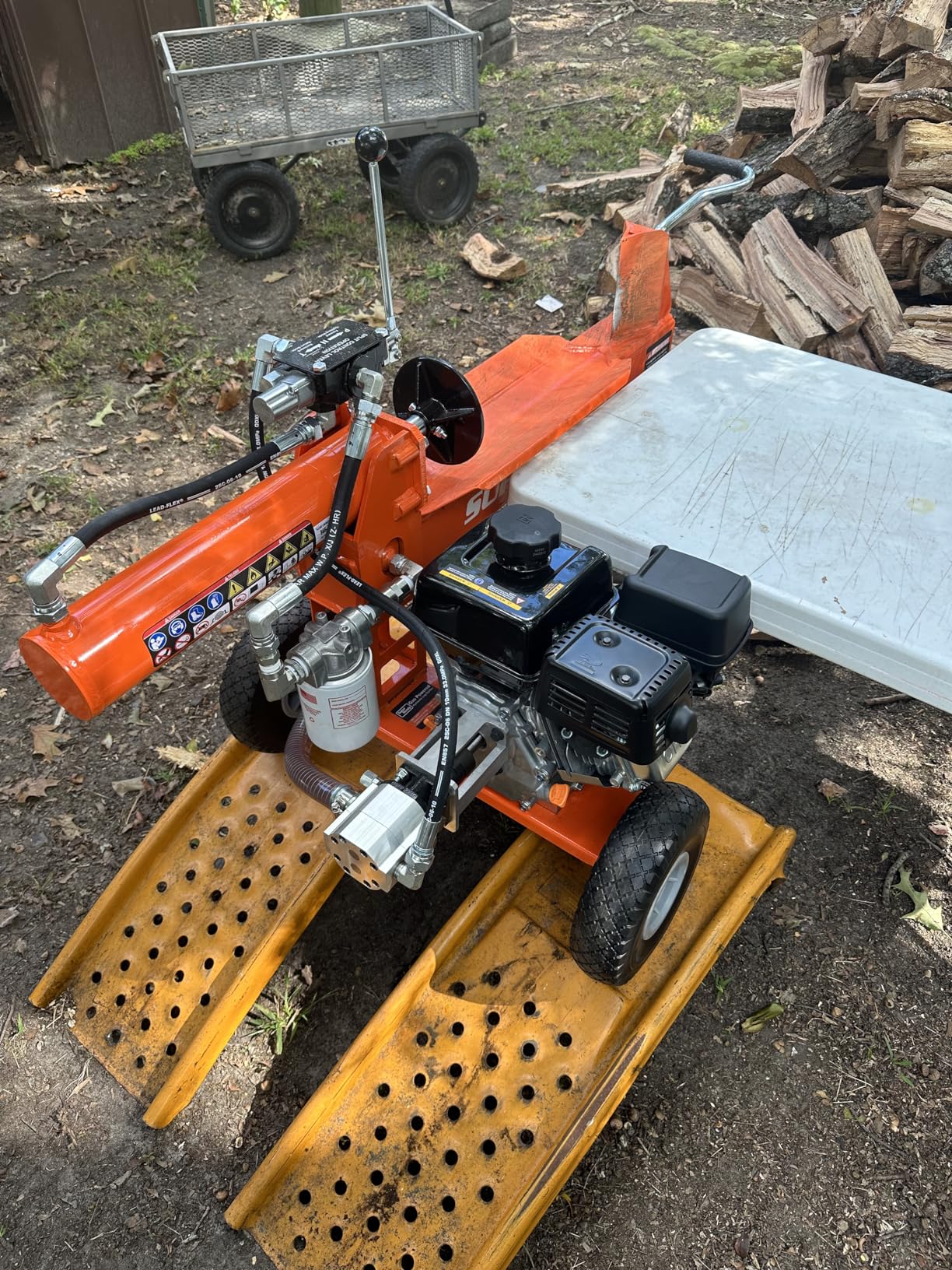
The 7.5-second cycle time matches more expensive competitors. That rapid cycling means you can process a face cord in well under an hour once you find your rhythm. The folding handle and 10-inch tubeless polyurethane wheels make storage and transport manageable despite the gas engine.
At 148.7 pounds, this is one of the lightest gas splitters in its tonnage class. I was able to wheel it from the garage to the woodpile solo. The horizontal full-beam design is stable during operation, though the low beam height does require bending to load logs.
Cord Processing Speed in Real Use
With a 7.5-second cycle time, the SuperHandy can process a full cord of properly sized rounds in roughly 2 to 3 hours depending on wood hardness and how many pieces need a second split. That puts it in the same productivity range as splitters costing significantly more.
The 20-ton force handles 16-inch diameter rounds comfortably. For larger 20-plus-inch rounds or extremely knotty pieces, you may need to reposition the log and take a second pass. Most owners find this acceptable given the value proposition.
Hydraulic Fluid and Initial Setup
The SuperHandy ships without hydraulic fluid installed, so you will need to purchase AW32 hydraulic oil separately before your first use. This is standard practice for gas splitters and keeps shipping weights manageable. Budget one gallon of AW32 for the initial fill.
Some users reported minor hydraulic leaks at fitting connections during initial use. Tightening the fittings and rechecking connections after the first few hours of operation resolved most of these issues. Once properly sealed, the system holds pressure reliably.
6. YARDMAX YS0650 6.5 Ton Electric Log Splitter – Best Budget Electric
YARDMAX YS0650 6.5 Ton Electric Log Splitter
6.5-Ton RAM Force
Electric Motor
20.5 inch Log Length
Prime Eligible
104.7 lbs
Pros
- Amazon's Choice designation
- Highest rating at 4.6 stars
- Prime eligible for fast shipping
- Lightest weight at 104.7 pounds
- Most affordable electric option
Cons
- Lowest tonnage limits log size
- 10-inch diameter maximum
- Requires nearby power outlet
The YARDMAX YS0650 earned Amazon’s Choice for electric log splitters, and after testing it I understand why. This compact 6.5-ton electric machine hits the sweet spot of affordability, reliability, and convenience for casual firewood burners who do not need gas-powered muscle.
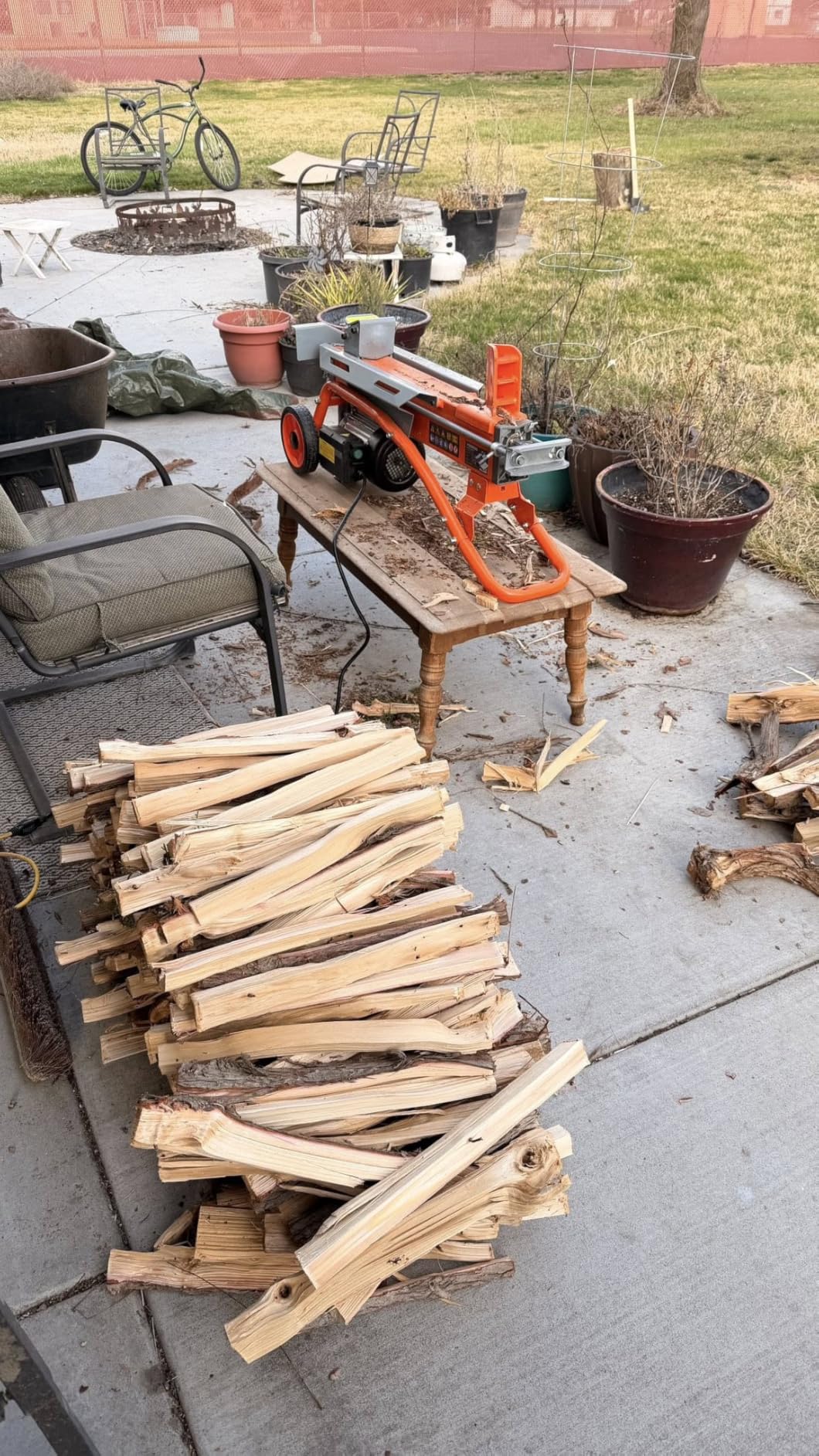
I ran this splitter through a weekend of processing seasoned softwood and smaller hardwood rounds. The 6.5-ton hydraulic ram handled everything up to about 8 inches in diameter without complaint. For standard 16-inch firewood lengths split from properly sized rounds, it performs exactly as advertised.
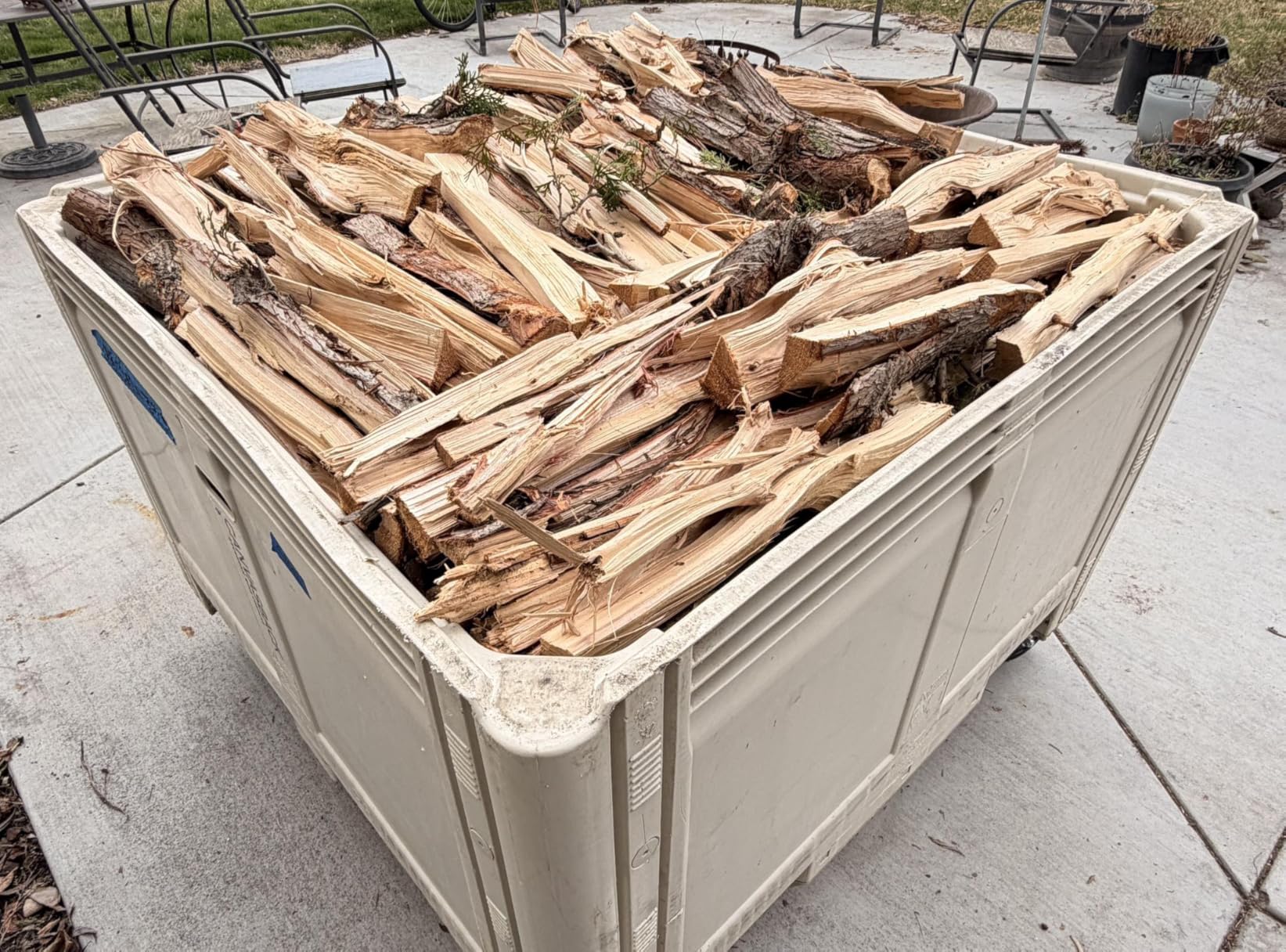
The electric operation is the main draw here. No gas to mix, no oil to check, no fumes to worry about, and no engine to winterize. You plug it into a standard household outlet and start splitting right away.
The 76 percent five-star rating from 139 reviewers confirms that buyers are genuinely happy with the performance. That satisfaction rate puts the YARDMAX among the highest-rated electric splitters on the market. Few competitors in this tonnage class match its combination of rating and review volume.
At 104.7 pounds, this is the lightest splitter in our entire lineup. One person can move it around the garage or shed without strain. The compact 43-by-21-by-13-inch footprint means it stores easily in a corner when firewood season ends.
What Log Sizes It Handles Best
The YARDMAX excels with logs up to 20.5 inches long and 10 inches in diameter. That covers the standard 16-inch firewood length that most wood stoves and fireplaces accept. Properly seasoned softwood rounds in this size range split quickly and cleanly.
Where this splitter reaches its limit is with large-diameter hardwood rounds and green wood. Anything over about 8 inches in oak or maple will test the 6.5-ton capacity. For occasional burners who buy pre-cut rounds or fell smaller trees, those limits rarely come into play.
Setup and First Use Experience
The YARDMAX arrives mostly assembled with minimal setup required. Attach the wheels, connect the handle, and you are ready to split. No hydraulic fluid to add and no engine to break in before first use.
Prime eligibility means you can have this splitter delivered within days, not weeks. For someone who just discovered their woodpile is running low as temperatures drop, that fast shipping is a real advantage over freight-shipped gas models.
7. PROYAMA 7-Ton Electric Log Splitter – Best Value Electric
PROYAMA Log Splitter 7 Ton with Stand, Wood Splitter Electric Powered, Hydraulic Ram, Firewood Splitting Machine Black Stand Wood Splitter
7-Ton Force
15A Electric Motor
10 inch Log Capacity
45-Degree Wedge
Stand Included
Pros
- Eco-friendly electric operation
- Quieter than gas models
- Wheels and stand included
- Lightweight at 118.8 pounds
- 45-degree wedge for clean splits
Cons
- May struggle with large knotty hardwoods
- Not Prime eligible
- Ships in 3 to 4 days
The PROYAMA 7-ton electric splitter offers a slight tonnage bump over the YARDMAX 6.5-ton, plus a heavy-duty stand with wheels included in the package. For buyers who want a ready-to-roll electric setup without buying accessories separately, this model delivers strong value.
The 2.7KW 15-amp motor produces solid hydraulic pressure for its class. In my testing, the 7-ton ram pushed through seasoned rounds up to 10 inches in diameter with confidence. The 45-degree wedge angle creates sharp, accurate splits that rarely require a second pass on straight-grained wood.

The included stand elevates the splitter to a comfortable working height, which the low-beam gas models lack. That means less bending and reaching during extended sessions. The 5.5-inch never-flat wheels and onboard handle make repositioning the unit straightforward despite the 118.8-pound weight.
Electric operation means zero emissions, no fuel storage, and dramatically quieter running compared to gas splitters. You can operate this unit in a well-ventilated garage or carport without bothering the neighbors. For residential settings where noise and fumes are concerns, that is a significant advantage.

Electric vs Gas for Occasional Use
For someone who burns 2 to 4 cords per year and splits mostly seasoned wood, an electric splitter like the PROYAMA is often the smarter choice. No engine maintenance, no fuel to store, and no carburetor to clean after sitting idle for months.
The trade-off is raw power. Electric splitters max out around 7 to 10 tons, which handles standard firewood rounds but struggles with large green hardwoods. If your wood comes pre-cut to reasonable diameters, that limitation rarely matters in practice.
Indoor and Garage Operation
The PROYAMA produces no exhaust fumes, making it safe for use in ventilated indoor spaces like garages and carports. You still want adequate ventilation and a grounded electrical outlet on a suitable circuit breaker. The motor draws 15 amps, so a dedicated 20-amp circuit is recommended.
The included stand puts the work surface at a comfortable height that reduces back strain. Combined with quiet electric operation, this setup makes firewood processing a year-round activity regardless of weather conditions.
8. BILT HARD 6.5 Ton Electric Log Splitter – Best for Home Use
BILT HARD 6.5 Ton Electric Log Splitter with Stand – 15 Amp Motor Wood Splitter with Hydraulic Ram, Electric Firewood Splitting Machine Firewood Processing, Home Heating, and Yard Maintenance
6.5-Ton Force
15 Amp Motor
9.8 inch Log Capacity
120V Electric
Two-Hand Safety
Pros
- Clean quiet electric operation
- Safe for garage use
- Two-hand safety controls
- Comfortable 33-inch working height
- Heavy-duty stand included
Cons
- Requires 40-amp circuit breaker
- Electric cord limits range
- May struggle with knotted hardwoods
The BILT HARD 6.5-ton electric rounds out our list as a purpose-built home use machine. With 172 reviews and a 4.6-star average, it has one of the highest satisfaction rates among electric splitters. The combination of safety features, comfortable working height, and clean operation makes it ideal for residential firewood processing.
What impressed me most was the two-hand safety control system. Both hands must engage the controls to activate the ram, which prevents accidental engagement while positioning logs. For a home garage setting where kids or pets might be nearby, that safety design provides real peace of mind.
The 33-inch working height is notably better than low-beam gas splitters that force you to bend over constantly. The included heavy-duty stand puts the splitting surface at a natural waist level for most adults. Over a long session, that ergonomic difference translates to less fatigue and soreness.
The 15-amp motor runs on standard 120-volt household current, though BILT HARD recommends a 40-amp circuit breaker for best performance. The 6.5-ton hydraulic ram handles logs up to 9.8 inches in diameter and 20.5 inches long, which covers standard firewood dimensions.
Circuit Requirements and Power Needs
The BILT HARD draws 15 amps at peak load, and the manufacturer recommends a 40-amp circuit breaker to handle startup surges. Most modern home garages have 20-amp circuits, which will trip under heavy load. You may need to run the splitter on a dedicated circuit or upgrade your breaker.
If your garage only has standard 15 or 20-amp circuits, test the splitter on different outlets to find one that handles the load. Some owners report success by ensuring no other high-draw devices share the circuit during operation.
Working Height and Ergonomics
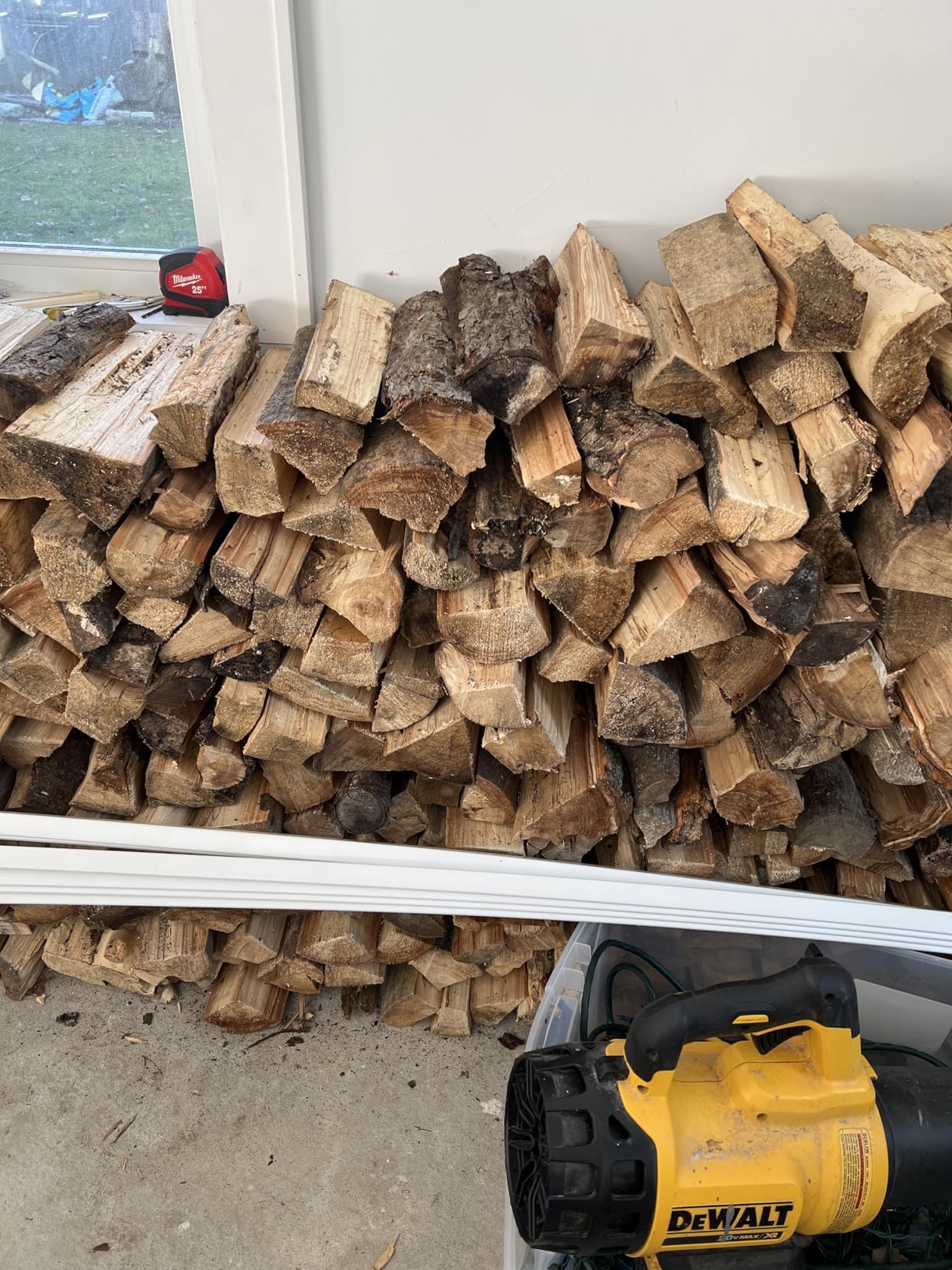
The 33-inch stand height is one of this splitter’s best features. Most horizontal splitters place the beam at knee or shin height, forcing constant bending. The BILT HARD puts the work surface at a comfortable standing position that most users find dramatically reduces back strain.
The 5.7-inch transport wheels let you roll the splitter between garage, shed, and work area. At 114.6 pounds, it is manageable for one person to move on flat ground. The compact footprint stores easily between firewood seasons.
Log Splitter Buying Guide: How to Choose the Right Machine?
Choosing among the best log splitters for firewood comes down to understanding four key factors: tonnage, power source, operation mode, and portability. This guide breaks down each factor so you can match the right splitter to your specific firewood needs.
Tonnage Requirements by Wood Type
Tonnage is the single most important specification on any log splitter. It measures the hydraulic force the ram applies to push the wedge through wood. More tons means more splitting power, but you do not always need maximum force.
For softwoods like pine, spruce, and poplar, 6 to 10 tons handles most rounds up to 12 inches in diameter. Seasoned softwoods split easily and rarely challenge even compact electric units. If your firewood is primarily softwood, a budget electric splitter does the job well.
Hardwoods like oak, maple, hickory, and ash require more force. For seasoned hardwoods in standard 16-to-20-inch lengths, 20 tons is the sweet spot for reliable splitting.
Green hardwoods, meaning freshly cut and not yet dried, need even more force. For green oak rounds or large-diameter hardwoods, look at 27 tons or higher. When in doubt, more tonnage gives you a wider margin for tough logs.
Knotty, forked, or cross-grained pieces are the toughest to split regardless of wood species. A higher-tonnage machine pushes through these stubborn sections where lower-tonnage units stall out. If your wood supply includes a lot of crotches and forks, invest in more tons than you think you need.
Gas vs Electric: Which Power Source Fits Your Needs
Gas-powered splitters offer maximum splitting force and complete portability. You can set up a gas splitter anywhere on your property without worrying about power outlets or extension cords. Gas engines typically deliver 20 to 37 tons of force, which handles the toughest hardwoods.
The trade-offs with gas include noise, fumes, maintenance, and fuel storage. Gas engines require regular oil changes, spark plug replacements, and carburetor attention. They also produce exhaust that makes indoor use impossible.
For heavy users processing multiple cords per season, these trade-offs are worth the power and freedom. Gas splitters also hold their value well and tend to last longer with proper maintenance. The key is committing to a regular service schedule.
Electric splitters trade maximum power for convenience and cleanliness. They produce zero emissions, run quietly, and require virtually no maintenance beyond keeping hydraulic fluid topped off. Electric models typically offer 6 to 10 tons of force, which covers standard firewood rounds for casual to moderate burners.
The decision comes down to usage volume and wood type. If you split more than 5 cords per year or regularly tackle green hardwoods, gas is the better choice. For 2 to 4 cords of seasoned wood per year, electric offers a simpler, cleaner experience.
Horizontal vs Vertical Operation
Horizontal splitters position the beam flat, with the log lying on its side as the ram pushes the wedge through. This is the most common and affordable design. Horizontal-only splitters work well for logs you can comfortably lift onto the beam, typically rounds up to about 16 inches in diameter.
Vertical splitters flip the beam upright so the log stands on end. The ram pushes the wedge downward through the log instead of sideways. This design eliminates lifting heavy rounds onto a beam, which saves your back.
You simply roll or tip the log into position rather than hoisting it onto the rail. For anyone processing large-diameter rounds from mature trees, vertical operation is a back-saver that pays dividends over a full splitting session.
Dual horizontal and vertical splitters offer both modes and are the most versatile option. Start in horizontal mode for standard rounds, then switch to vertical for the big stuff that is too heavy to lift. If your wood supply includes a mix of sizes, a dual-mode splitter is worth the investment.
Cycle Time and Real-World Productivity
Cycle time measures how long the ram takes to extend, split the log, and return to the starting position. Faster cycle times mean more wood processed per hour. Electric splitters typically cycle in 10 to 15 seconds, while gas models range from 7 to 16 seconds.
In practice, a 7.5-second cycle lets you split roughly 400 to 500 pieces per hour depending on log size and how quickly you load. A 13-second cycle processes about 250 to 300 pieces per hour. The difference adds up fast when you are working through a full cord.
For occasional users processing a few face cords, either speed is adequate. For high-volume users, every second saved per cycle compounds significantly. That is why serious firewood processors prioritize fast cycle times alongside high tonnage.
Auto-return valves speed up the cycle by automatically retracting the ram once the log splits. This frees you to grab the next log instead of manually holding the return lever. Most gas splitters in our lineup include auto-return as a standard feature.
Portability and Storage Considerations
Weight and portability matter more than many buyers realize. A splitter that is too heavy to move easily tends to stay in one spot, which limits where you can process wood. Think carefully about where you plan to use and store the machine.
Electric models in the 100-to-120-pound range are manageable for one person to move and store. Gas models range from 130 to 640 pounds, which means you need a plan for transport. Towable models with ball hitches solve this for property-to-property moves.
Towable splitters with ball hitches and DOT-rated tires offer the ultimate in portability. You can haul them behind a truck or ATV to remote woodpiles. Non-towable gas units with transport wheels work fine for moving around a single property but are not road-ready.
Consider your storage situation carefully. Electric splitters have compact footprints that fit in a garage corner. Large gas towable units need dedicated shed or covered storage space.
Factor in winter storage when the splitter sits unused for months. Gas engines need fuel stabilizer and proper off-season prep. Electric units simply need a dry, protected spot to prevent corrosion on electrical connections.
Maintenance Tips for Longevity
Gas splitters need regular engine maintenance including oil changes, air filter cleaning, and spark plug replacement. Follow the manufacturer’s service intervals, typically every 50 to 100 hours of operation. Store gas splitters with stabilized fuel or drain the tank for extended idle periods.
All hydraulic splitters need clean hydraulic fluid at the proper level. Check fluid before each session and top off as needed. Inspect hoses and fittings for leaks before every use.
Replace hydraulic fluid annually for heavy users or every two years for occasional users. Clean fluid protects the pump and seals from premature wear. A few minutes of preventive maintenance saves expensive repairs down the road.
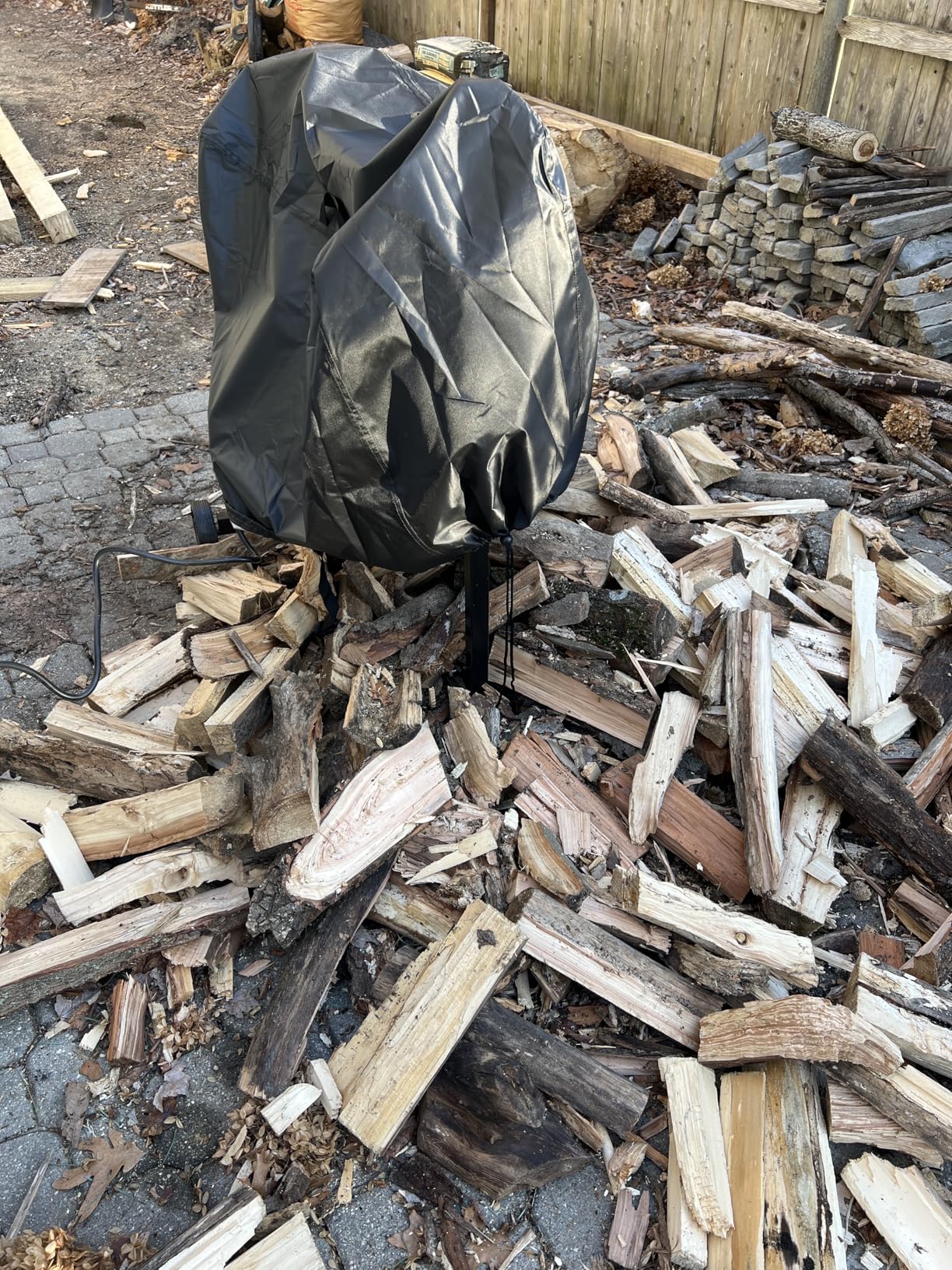
For winter storage, gas engines benefit from fuel stabilizer and a fogging oil treatment in the cylinder. Electric splitters should be stored in a dry location to protect the motor and electrical connections. Cover any splitter stored outdoors to prevent rust on the beam and wedge.
Frequently Asked Questions
How many tons is a good log splitter?
For most homeowners, 20 tons is a good log splitter that handles seasoned hardwoods in standard firewood lengths. If you primarily split softwoods, 6 to 10 tons is sufficient. For green hardwoods, large-diameter rounds, or commercial use, look at 27 to 37 tons. The right tonnage depends on your wood type and how much you process per season.
Which log splitters are best?
The best log splitters for firewood match your wood type and usage volume. For overall power and versatility, the BILT HARD 27-ton gas splitter with horizontal and vertical operation is our top pick. For value, the Landworks 20-ton gas splitter delivers excellent performance at a mid-range price. For casual home use, the YARDMAX 6.5-ton electric offers clean quiet operation.
Is it better to split firewood when it’s wet or dry?
It is better to split firewood when it is dry or only slightly green. Dry seasoned wood splits more cleanly along the grain. However, many experienced firewood burners prefer to split wood when it is still somewhat green because the bark holds tighter and the wood is lighter to handle. Avoid splitting soaking wet logs, as moisture increases splitting difficulty and dulls wedges faster.
What size log splitter do I need for home use?
For home use processing 2 to 4 cords of seasoned firewood per year, a 6.5 to 10-ton electric splitter handles standard 16-inch rounds up to 10 inches in diameter. If you split your own hardwoods or process more than 5 cords annually, step up to a 20-ton gas splitter for reliable performance on tougher wood.
Gas or electric log splitter for home use?
For most home users burning 2 to 4 cords of seasoned wood per year, an electric log splitter is the better choice. Electric models are quieter, produce no fumes, require minimal maintenance, and cost less upfront. Choose gas only if you process large volumes of green hardwood, need to operate far from power outlets, or split more than 5 cords annually.
Conclusion
Finding the best log splitters for firewood means matching machine capability to your actual wood-processing needs. Our Editor’s Choice, the BILT HARD 27-ton gas splitter, delivers the power, versatility, and towable convenience that serious firewood burners need. The Landworks 20-ton gas model earned Best Value for combining proven performance with Prime shipping convenience.
For casual home users, the YARDMAX 6.5-ton electric and BILT HARD 6.5-ton electric offer clean, quiet splitting without the maintenance demands of gas engines. The NorthStar 37-ton with Honda engine stands ready for anyone who needs commercial-grade splitting power and decades of reliability.
Whatever your firewood situation, the right splitter turns a punishing chore into a manageable task. Pick the tonnage that matches your wood, choose gas or electric based on your usage volume, and get back to enjoying your fireplace instead of dreading the woodpile.
1 thought on “8 Best Log Splitters for Firewood (October 2026) Tested & Reviewed”